
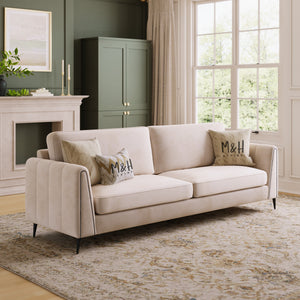

Sofa, couch and settee all describe the same piece of furniture today, an upholstered seat with a back and arms for two or more people. The difference is in the word, not the frame. Sofa is the standard British word, couch is the everyday word in North America, and settee is an older British word for the same seat.
This guide explains where each word comes from, what it once said about shape, size and even social class, and which word to use when you shop for a sofa in the UK.
What is the difference between a sofa and a couch?
There is no practical difference between a sofa and a couch today. Both words name an upholstered seat for two or more people, and furniture makers use them for the same designs.
Historically, the words could describe differently shaped seats. Etymonline describes a traditional couch as a long seat for resting at full length, with only the head end raised and half a back, unlike a sofa. That history explains why couch still sounds more relaxed, as in couch potato, a phrase first recorded in 1979.
Some designers still draw a style line. Designers quoted by Livingetc describe a sofa as more structured, with arms and back at an even height, and a couch as softer and more casual, sometimes with deeper seats and a lower back. There is no industry standard for this, so the same design can be sold under either name.
In the UK, sofa is the usual word in shops and on product pages, so it is the word to use when you browse living room sofas.
What is the difference between a sofa and a settee?
A sofa and a settee are the same piece of furniture in modern British English. Both describe a long upholstered seat with a back and arms.
Settee and the furniture sense of sofa were first recorded around the same time. Etymonline dates settee to 1716 and the furniture sense of sofa, a long stuffed seat, to 1717. Settee may come from settle, the high-backed wooden bench of the 1550s, which goes back to the Old English setl, or it may be a small form of the verb set. Sofa came into English through Turkish from the Arabic suffah, a raised bench.
Is a settee smaller than a sofa?
Not today. Settee was once used for a smaller sofa, but that distinction had faded by the 20th century. Size now comes from the design and the number of seats, not the name.
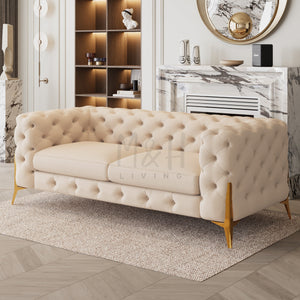
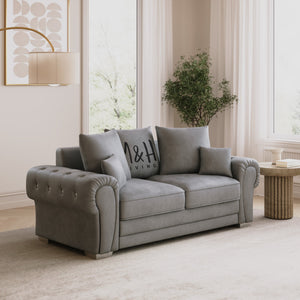
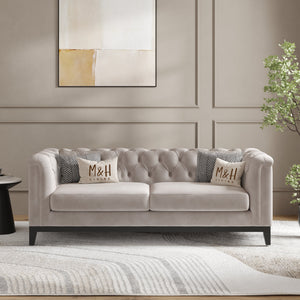
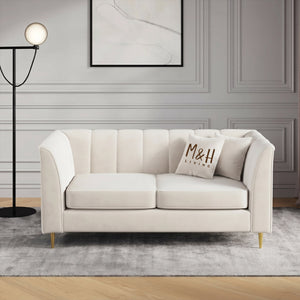
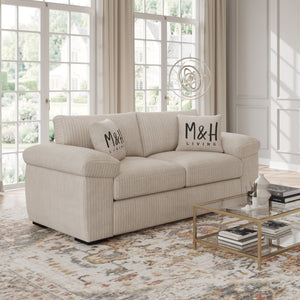
If you picture a settee as a compact seat for two, the closest match in our range is a two seater. You can compare lengths across our 2 seater sofas, and the MH Luxury Chesterfield 2 Seater Sofa, for example, is 170 cm long.
Where do the words sofa, couch and settee come from?
Each word has a different root and a different first meaning.
| Word | Root | First meaning in English | First recorded |
|---|---|---|---|
| Couch | Old French couche, a bed | A bed, then a long seat to rest on at full length | Mid-14th century as a bed, mid-15th century as a seat |
| Sofa | Arabic suffah, a bench, through Turkish | A raised, cushioned floor area in Eastern interiors | 1620s, with the furniture sense from 1717 |
| Settee | Possibly settle, from Old English setl, or a small form of set | A long seat or bench with a back and arms | 1716 |
Dates are from the Online Etymology Dictionary. Couch is the oldest of the three words in English, even though sofa is the one most British shoppers use today.
Is couch an American word, and is settee British?
Couch is not American in origin, since it came into English from French in the 14th century. It is, however, the everyday word in American English. Settee, first recorded in 1716, is labelled British English in the Oxford Learner's Dictionaries.
Within the UK, sofa is the most common of the three. The Our Dialects survey of UK speakers found sofa preferred across the country, followed by settee and then couch. In the South, 79% of respondents said sofa, the North showed a much more even split between the three words, and couch was most concentrated in Scotland at 42% and the North West at 32%.
So if you are writing or shopping in British English, sofa is the safest word, and settee is a natural British alternative.
Is it posh to say sofa or settee?
Sofa is the word that was traditionally marked as posh, and settee carried a class label in the 1950s. In 1954 the linguist Alan Ross described upper-class (U) and non-upper-class (non-U) English, and the writer Nancy Mitford popularised his list in her essay The English Aristocracy, later reprinted in Noblesse Oblige. On that list, sofa was the U word, while settee and couch were non-U.
Most of those markers no longer signal class reliably. Today settee simply sounds traditional to some ears, and sofa sounds neutral.
What other names are used for a sofa?
Dictionaries list several other names for the same seat, including davenport, divan and lounge. Chesterfield is the one most UK shoppers meet, and its meaning depends on where you are.
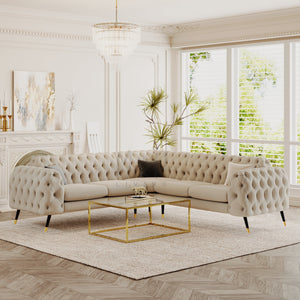
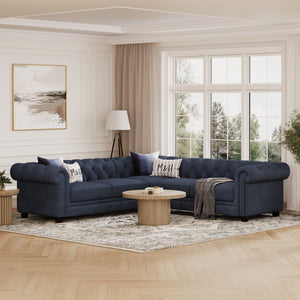
In Canada, chesterfield has long been used for any sofa, especially by older speakers, although a 1992 survey in Ontario found the word quickly fading. In the UK, a Chesterfield is a style rather than another word for a sofa, known for deep buttoning and for arms set at roughly the same height as the back.
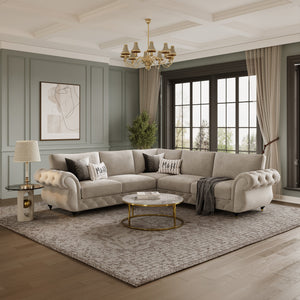
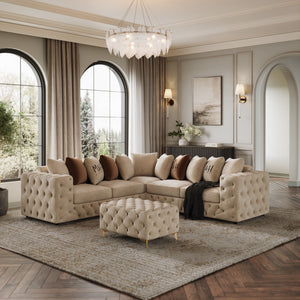
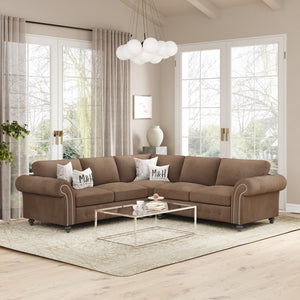
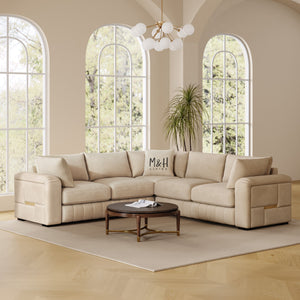
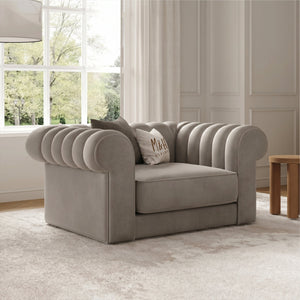
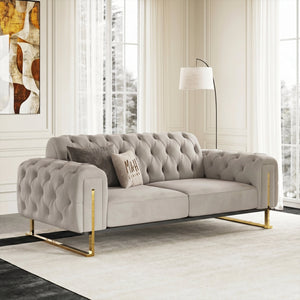
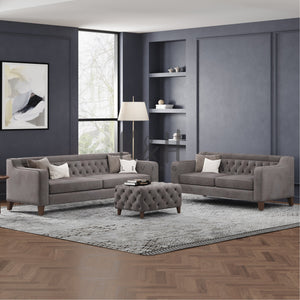
Our MH Luxury Chesterfield sofas carry deep button detailing across the back and arms, in fabrics such as Plush Velvet and Chenille rather than leather, and come as straight, L shape and corner sofas.
Which word should you use when buying a sofa in the UK?
Use sofa. It is the word most UK retailers use for collections, sizes and product names, so it gives you the widest choice when you search or browse.
The word matters less than the fit. Before you choose, check three things.
- Measure the wall, the walkway and the route in, including doors and stairs. Our sofa size guide lists each model's dimensions.
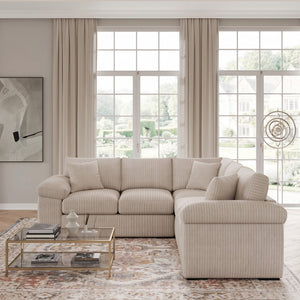
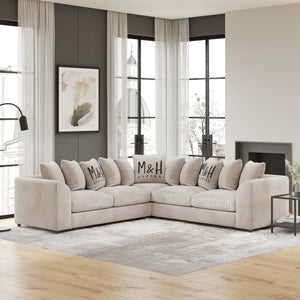
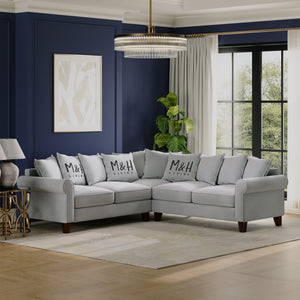
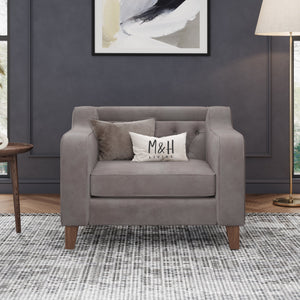
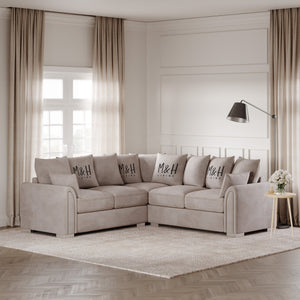
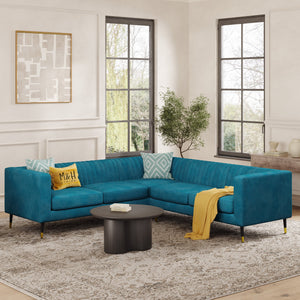
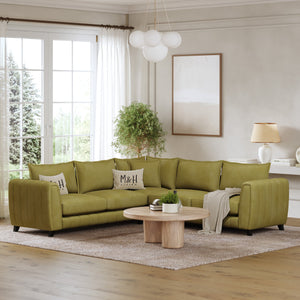
- Decide how many people need to sit, from a 1 seater to a 4 seater, or a corner, L shape or U shape sofa for larger rooms.
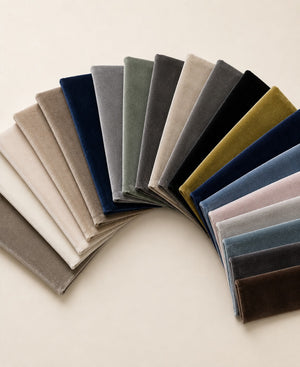
- Order fabric samples and compare them in your own light before you decide.
Every M&H sofa is handmade to order in our Yorkshire workshop, whatever you choose to call it.
More help choosing your sofa
If you would rather compare our ranges side by side, our guide to the best sofas in the UK walks through each one. To see which colours, shapes and fabrics are leading this year, read our guide to sofa trends for 2026.